


-

Add: HeBei ShengShi HongBang Cellulose Technology CO.,LTD.
-

Email
13180486930@163.com -

CONTACT US
+86 13180486930


Hydroxypropyl methylcellulose (HPMC) is widely recognized as a versatile compound that finds its application across various industries. Preparing HPMC solutions is paramount for ensuring its effective performance, whether in pharmaceuticals, food processing, or construction. This article sheds light on the expertise required, authoritative guidelines, and trustworthy methodologies associated with HPMC solution preparation. Experience in HPMC solution preparation reveals that the process is both an art and a science, demanding precision and knowledge. Users often face challenges such as insolubility, clumping, or achieving the desired viscosity. These challenges can be mitigated by following specific preparation steps . Here, I will share a streamlined process derived from years of hands-on experience 1. Selection of Grade The choice of HPMC grade significantly influences the end properties of the solution. Different grades offer varying viscosities and gel temperatures, making it crucial to consult technical specification sheets provided by manufacturers to select the right grade for your application needs. 2. Water Quality The quality of solvent, usually water, plays a critical role. Using deionized or distilled water enhances solubility and prevents any potential reactions from contaminants. Experience confirms that temperature-controlled environments boost the solubility rate and uniformity of HPMC throughout the solution. 3. Dispersion Technique Accurate dispersion ensures the complete hydration of HPMC without forming clumps. Begin by sprinkling HPMC slowly into the solvent while stirring continuously. An authoritative tip involves using mechanical stirrers to maintain a consistent dispersal, achieving a lump-free solution efficiently. 4. Temperature Control The temperature of the solvent should be monitored closely. HPMC tends to dissolve better in cold water. By initially employing cold water to disperse the HPMC and later heating it up if the application demands a higher temperature, one can secure optimal results. hpmc solution preparation 5. Hydration Time Time is a crucial factor in preparing an HPMC solution. Allow the solution to hydrate fully, which might take several hours depending on the grade and environmental conditions. Patience is key as incomplete hydration could result in suboptimal solution properties. 6. pH Adjustment For applications requiring specific pH levels, adjust the pH of the solution after full hydration. Different grades of HPMC might react differently to pH adjustments, so it's advisable to conduct small-scale tests before full-scale operations. From a professional standpoint, the expertise of troubleshooting common issues cannot be overstated. In some cases, adding a non-ionic surfactant can assist in reducing surface tension and improving solubility. Furthermore, employing an industrial homogenizer can yield a finer, more consistent HPMC solution in high-demand applications. To establish authority in the preparation of HPMC solutions, it’s paramount to adhere to standardized practices as endorsed by industry leaders. Following guidelines from entities like the United States Pharmacopeia (USP) can ensure compliance and efficacy in pharmaceutical applications. Maintaining a record of every batch's preparation details ensures traceability and identifies areas for future optimization. Trustworthiness is built through consistency and transparency. Regularly testing and documenting the rheological properties of prepared solutions guarantees batch-to-batch uniformity. For enhanced credibility, consider third-party verification from accredited laboratories to validate the effectiveness and safety of the final solution. In conclusion, HPMC solution preparation demands a blend of practical experience, specialized knowledge, and adherence to authoritative protocols. By following these best practices, one can ensure the creation of high-quality HPMC solutions suitable for a variety of applications, ultimately fostering trust and reliability in the end product.
- 40000tons

Production
- 20+years

Experience
- 5000+㎡

Acreage

-
In the fast-evolving construction industry, innovations drive improvements in durability, workability, and efficiency. Hydroxypropyl methylcellulose (HPMC) has emerged as a critical component in these advancements, particularly in coatings and cementitious materials. This versatile additive enhances product performance and plays a pivotal role in meeting modern construction demands. Revolutionizing Coatings with Hydroxypropyl Methylcellulose Coatings are fundamental to construction, providing both aesthetic appeal and functional protection. Hydroxypropyl methylcellulose is an essential ingredient in coatings, improving their consistency and performance. As a thickening and stabilizing agent, hydroxypropyl methylcellulose ensures uniform pigment dispersion, creating smooth and flawless finishes. This is particularly beneficial in high-quality wall coatings, where even texture and sheen are paramount. The addition of HPMC significantly enhances the viscosity of coatings, preventing dripping and sagging during application, which results in cleaner, more precise work. Moreover, hydroxypropyl methylcellulose provides superior film-forming properties, making coatings more resistant to abrasion, cracking, and peeling. These qualities contribute to long-lasting protection of surfaces, even in harsh environmental conditions. Partnering with a trusted hydroxypropylmethylcellulose supplier is key to accessing the highest quality products for your coating solutions. Hydroxypropyl Methylcellulose : Significant Improvements in Building Materials When hydroxypropyl methylcellulose is introduced to building materials, the enhancements are striking. This remarkable additive optimizes the behavior and performance of mortars, renders, and wall putties, meeting the growing demand for reliable, high-quality construction materials. One notable improvement is enhanced adhesion. Wall putty formulated with hydroxypropyl methylcellulose adheres more effectively to surfaces, reducing the likelihood of detachment or cracks over time. Additionally, the product boosts workability, ensuring materials spread and apply easily without compromising structural integrity. In terms of strength and durability, hydroxypropyl methylcellulose in wall putty helps create stable mixtures that resist deformation and maintain longevity, even in fluctuating temperatures and humidity levels. These benefits translate to better performance and long-term value for both builders and end-users. Hydroxypropyl Methylcellulose : Optimizing Cement Slurry with Fluidity and Water Retention Fluidity and water retention are critical factors in the performance of cement slurries. Hydroxypropyl methylcellulose plays a crucial role in balancing these properties to achieve optimal results. Thanks to its water-retention capabilities, hydroxypropyl methylcellulose ensures that cement slurries remain moist for extended periods, allowing sufficient hydration of cement particles. This leads to improved curing and greater strength development in the finished material. Contractors can rely on HPMC to extend working times, providing flexibility during installation and minimizing material waste. The fluidity of cement slurry is another area where hydroxypropyl methylcellulose excels. By improving the viscosity and cohesiveness of the mixture, it reduces the risk of segregation and enhances pumpability, especially in large-scale projects. This is why many construction professionals choose to buy hydroxypropyl methylcellulose to achieve better results with their cementitious formulations. Partner with a Leading Hydroxypropylmethylcellulose Supplier The advantages of hydroxypropyl methylcellulose can only be fully realized with a reliable supply of high-quality material. Collaborating with an experienced hydroxypropylmethylcellulose supplier ensures consistent product quality and the support needed to address specific application requirements. By sourcing from trusted suppliers, you gain access to premium-grade HPMC, tailored to meet the unique demands of your project. Whether you’re formulating coatings, wall putty, or advanced cementitious materials, a reliable supplier helps you unlock the full potential of hydroxypropyl methylcellulose for your construction needs. Hydroxypropyl Methylcellulose : Building a Future of Efficiency and Innovation The influence of hydroxypropyl methylcellulose on modern construction is undeniable. From improving the aesthetic and functional properties of coatings to enhancing the durability and performance of building materials, this additive is transforming the industry. As sustainability and efficiency become central to construction, the adoption of hydroxypropyl methylcellulose will continue to grow. Builders and manufacturers are encouraged to embrace this game-changing material and trust its ability to meet the highest standards of quality, versatility, and reliability. Choose hydroxypropyl methylcellulose today to elevate your construction projects and experience unparalleled benefits. By working with a dependable hydroxypropylmethylcellulose supplier , you’re investing in excellence, innovation, and the future of the construction industry.
-
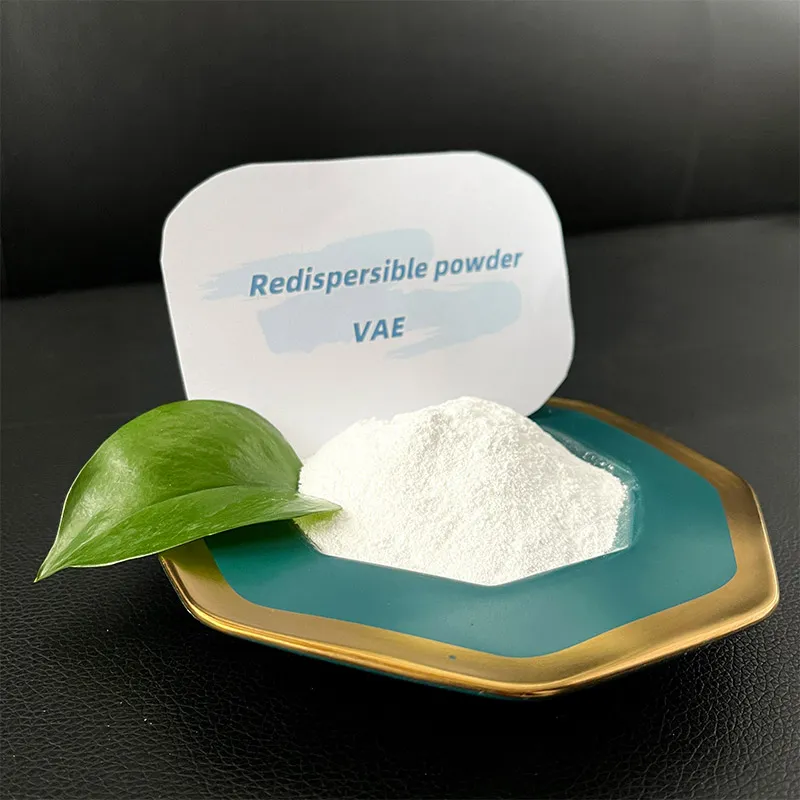
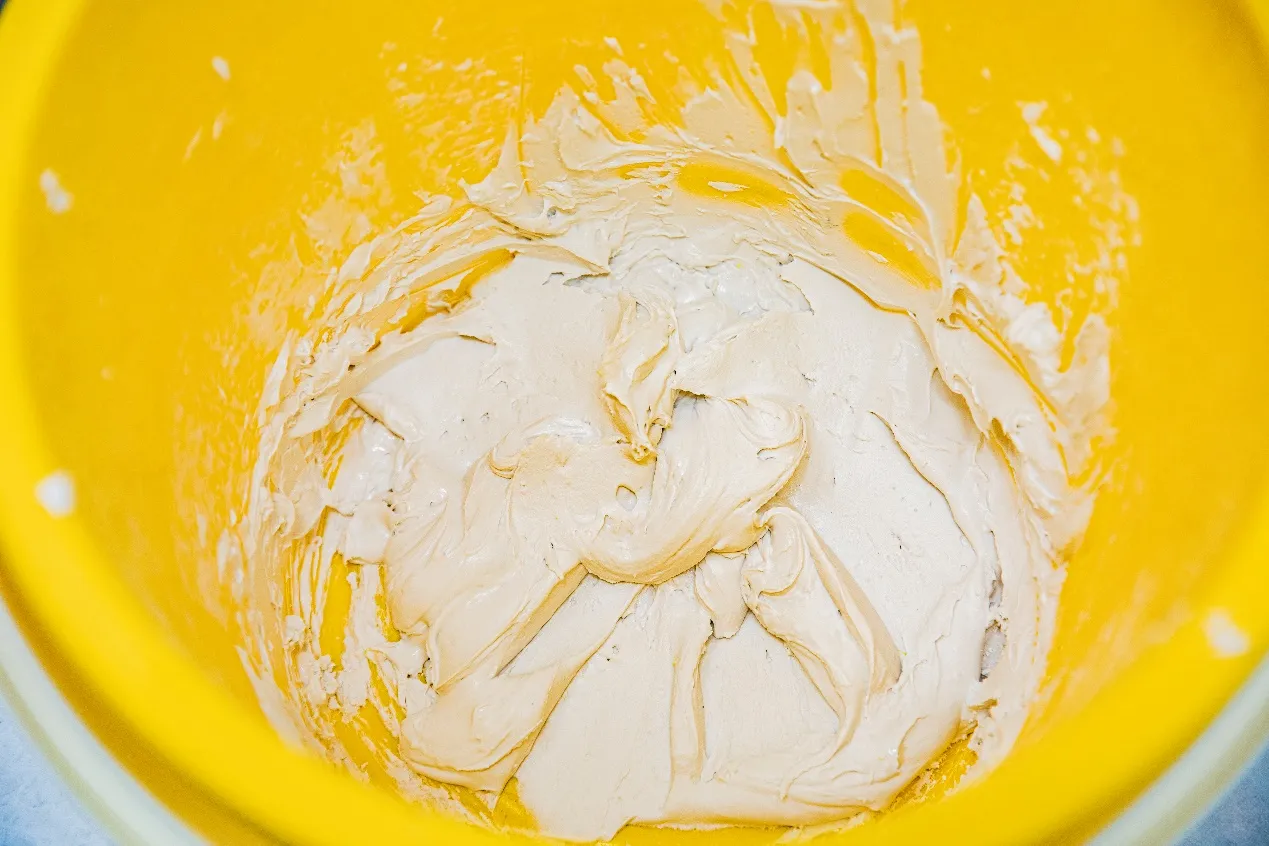
On the previous day, the technical team of the company convened at the office to conduct a comprehensive experimental demonstration focusing on Hydroxypropyl Methylcellulose (HPMC). This session was meticulously organized to showcase the exceptional high viscosity properties of HPMC, a critical attribute that underlines its versatile applicability across various industries. The demonstration aimed to provide stakeholders, including researchers and potential clients, with a clear understanding of how HPMC performs under specific conditions, emphasizing its efficacy as a thickening, binding, and stabilizing agent. Throughout the event, the technical personnel engaged in detailed discussions and hands-on presentations, illustrating the various methods of integrating HPMC into formulations and processes. The outcomes highlighted not only the material's effectiveness in enhancing product consistency and texture but also its role in improving the overall performance of formulations across diverse applications. By meticulously examining the high viscosity characteristics, the team aimed to solidify the company’s position as a leader in supplying innovative and reliable solutions tailored to meet industry demands. This demonstration serves not only as a platform for knowledge sharing but also as a strategic initiative to foster collaboration and build stronger partnerships with entities that rely on advanced materials. The insights and data gathered during this session will contribute to ongoing research and development efforts, ultimately facilitating the introduction of new products that harness the unique benefits of HPMC. Overall, the successful execution of this experiment underscores the company's commitment to technological advancement and excellence in service delivery, thereby reinforcing its reputation in the market as a trusted provider of specialty chemicals and materials. We specialize in high-quality cellulose products that cater to a diverse range of industries and applications. Our extensive experience in the field allows us to provide you with a seamless export experience, characterized by reliability and excellence. Our team is dedicated to working closely with you to understand your specific needs and requirements, ensuring that we deliver products that not only meet but exceed your expectations. We believe that a successful business relationship is built on trust, transparency, and mutual growth, and we are here to provide you with the necessary support and guidance every step of the way. Whether you are looking to enhance your product line or expand your market reach, our cellulose products are designed to add value to your offerings. Don't hesitate to reach out to us; we are eager to assist you and discuss how we can work together to achieve your business goals. Together, we can reject the pitfalls of traditional manufacturing processes and embrace a future defined by quality and integrity in all our products. Welcome to our community of excellence, where your success is our priority!
advantages
-

200000 Viscosities
Excellent product
We can produce pure products up to 200,000 viscosities
-

40000 tons
High yield
We don’t stop production all year round, and the annual output can reach 40,000 tons
-

24 hours
Quality service
We provide 24-hours online reception service, welcome to consult at any time
———— Inquiry Form
Schedule A services

-
 vivapharm_hpmc
Oct . 25, 2025
The Role of Manufacturers in the Production of PP Fiber Polypropylene (PP) fiber has gained signific -
 hpmc_eye_gel
Oct . 25, 2025
Advancements in Starch Ether Technology: Innovation in Material Science Starch ether , a refined whi -
 thermoplastic_resin_powder
Oct . 25, 2025
The Emergence and Significance of Manufactured Fiber in the Textile Industry Manufactured fibers, co


